Case Study
Strategic Planning with OKRs at the Public Prosecutor’s Office of Mato Grosso do Sul (MPMS)
Context and Challenge
The Public Prosecutor’s Office of Mato Grosso do Sul (MPMS) had maintained a strategic planning process based on the Balanced Scorecard (BSC) for over a decade. Despite this, institutional leaders remained unsatisfied with the results. The planning map was visible, but it had not yet reached people’s daily work or inspired true engagement.
“We needed to bring people closer to the plan, and just having a strategy map on the wall was not enough.”
— Sabrina Baes, Director of Planning and Management (SEPLANGE), MPMS
MPMS sought to discover whether agile methodologies such as OKRs could truly work in the public sector — and, more importantly, whether they could bridge the gap between strategic vision and daily execution.
Our Intervention
Oxford Business Masters led the mentoring and implementation of OKRs across the institution’s administrative departments. The journey began with training and certification of OKR Masters, followed by the definition of the first organisational OKRs, and finally, the launch of OKR-based management routines.
A central part of the intervention was the weekly check-in sessions using the 3Ps framework (Progress, Problems, and Plans), which strengthened alignment, transparency, and a sense of collective responsibility.
Sixteen departments participated in this first phase, including IT, Finance, HR, Planning, Internal Affairs, Innovation Lab, and the Communication Office — all supported by institutional leadership and the Planning Directorate.
Results Achieved
The results of the first quarter were striking:
91% of indicators showed measurable progress.
Average goal achievement reached 94%, exceeding the expected 70%.
Specific gains included:
Reduction of processing and distribution time of new cases from 37 to 18 days.
Reduction of interruptions in document flows due to errors by 75%.
Reduction of the time to produce complex reports by 62%.
Faster payment of suppliers — within two days of request.
“OKRs have provoked a cultural shift. The team now focuses on results and puts energy into what truly matters.”
— Bianka Karina Barros da Costa, Secretary-General of MPMS
“For more than 10 years, we struggled to connect strategic planning with our daily work. OKRs changed it.”
— Dr Paulo César Zeni, President of Research and Artificial Intelligence Innovation Committee
Impact and Learnings
The adoption of OKRs went beyond a management tool — it became a catalyst for cultural transformation. Teams began to distinguish effort from results, prioritise what drives impact, and collaborate under a shared language of execution.
“The OKR methodology turned planning into inspiration, goals into dreams, and teams into a family… It connected our daily routine to something greater than ourselves.”
— Dr Paulo Ishikawa, Deputy Attorney General for Institutional Affairs
The experience demonstrated that the public sector can achieve agility, alignment, and motivation when purpose and performance come together.
Key Highlights
16 departments engaged in OKR implementation.
91% of indicators improved within one quarter.
94% average achievement rate of objectives.
Transformational cultural impact recognised by leadership and teams.
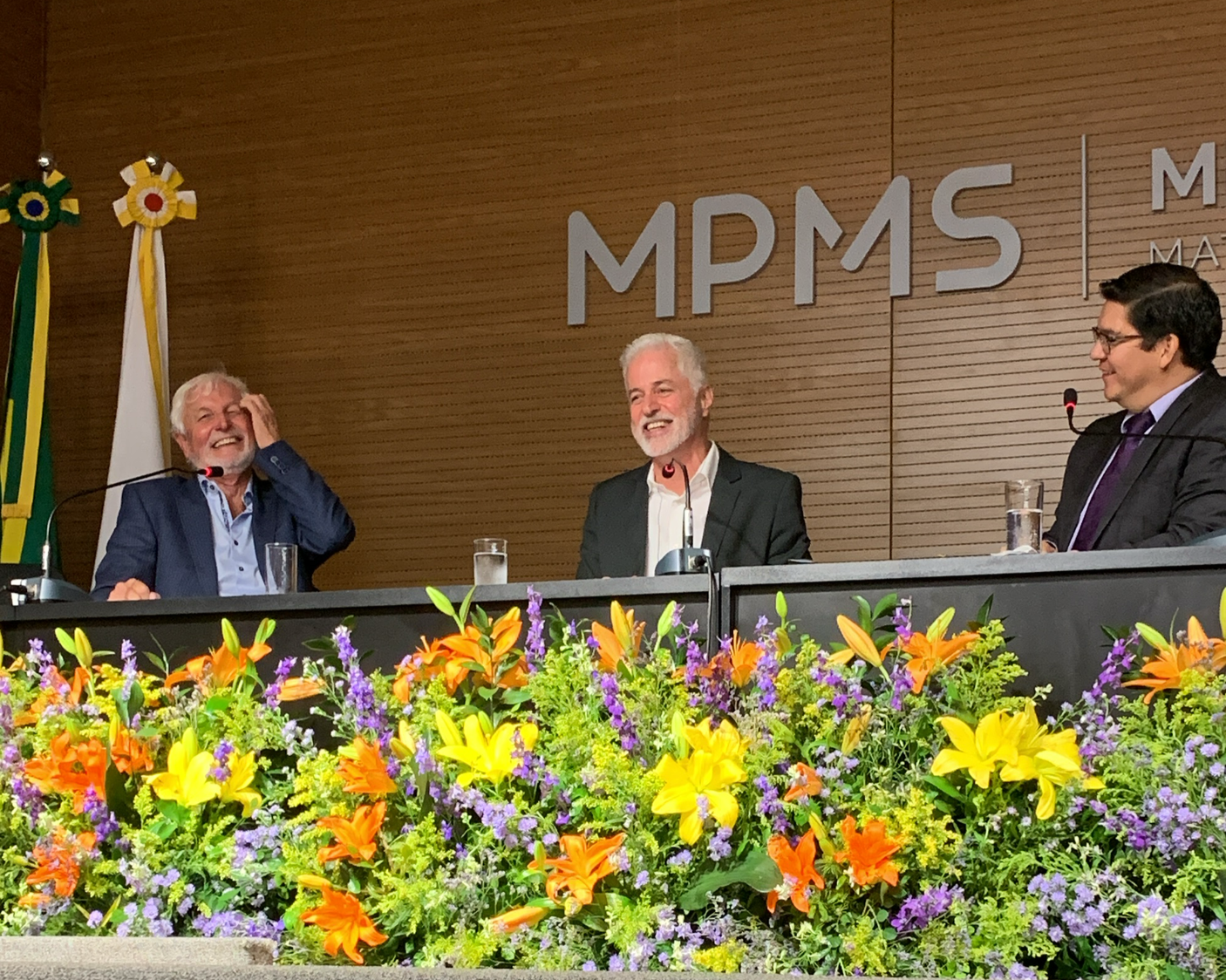
Chris Sheppard, Marcos Barros and Dr. Paulo Ishikawa at the main event
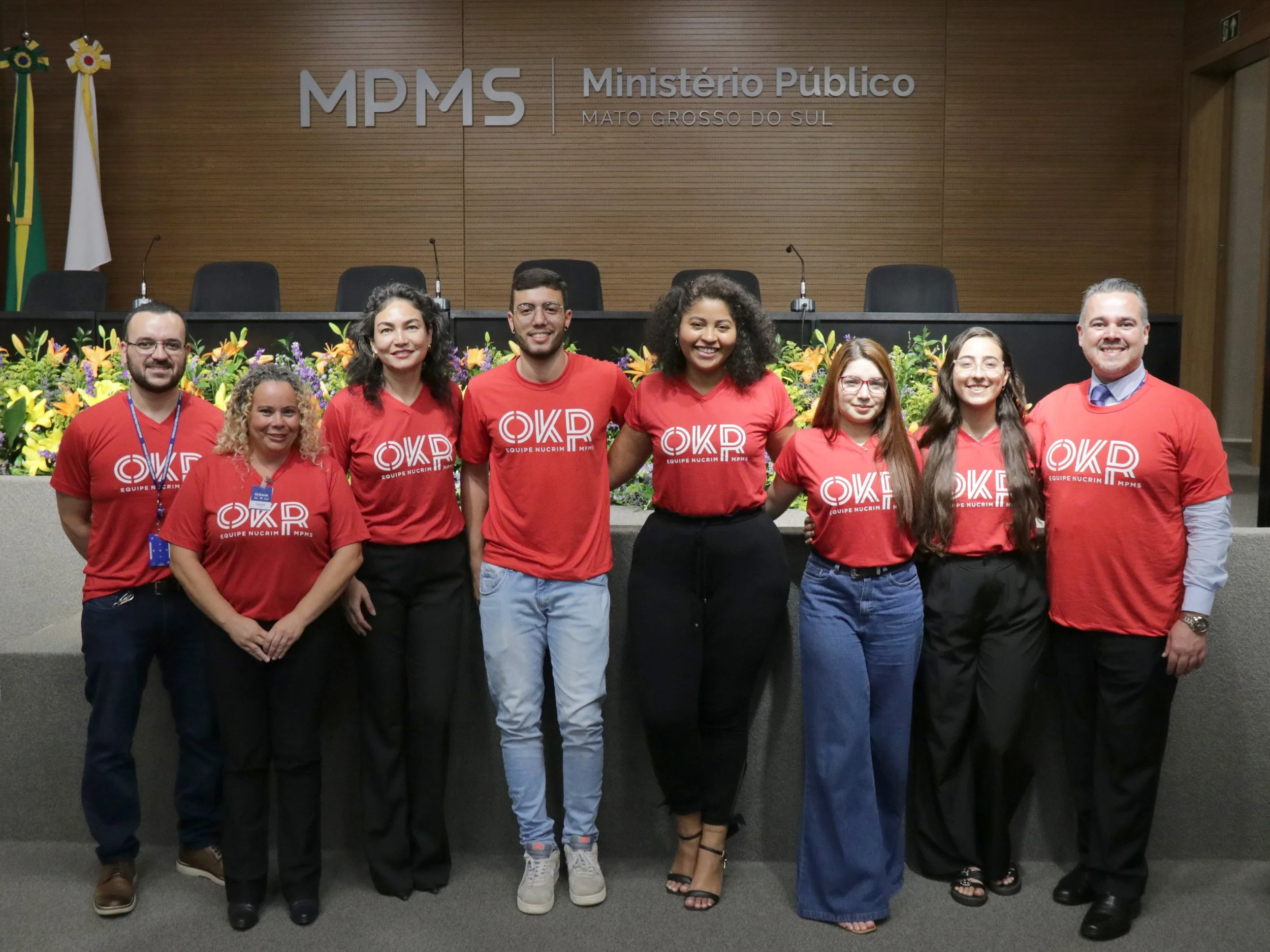
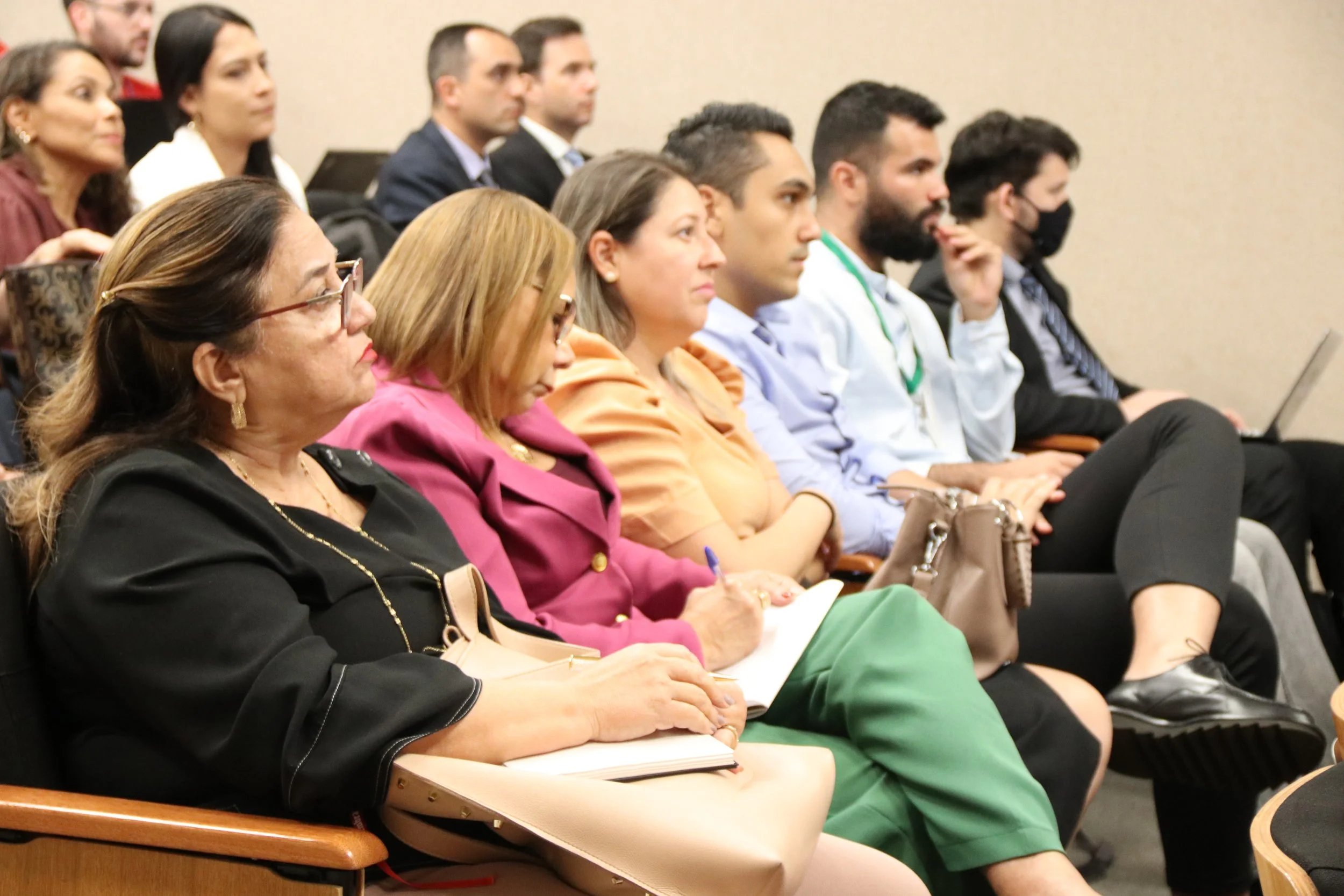
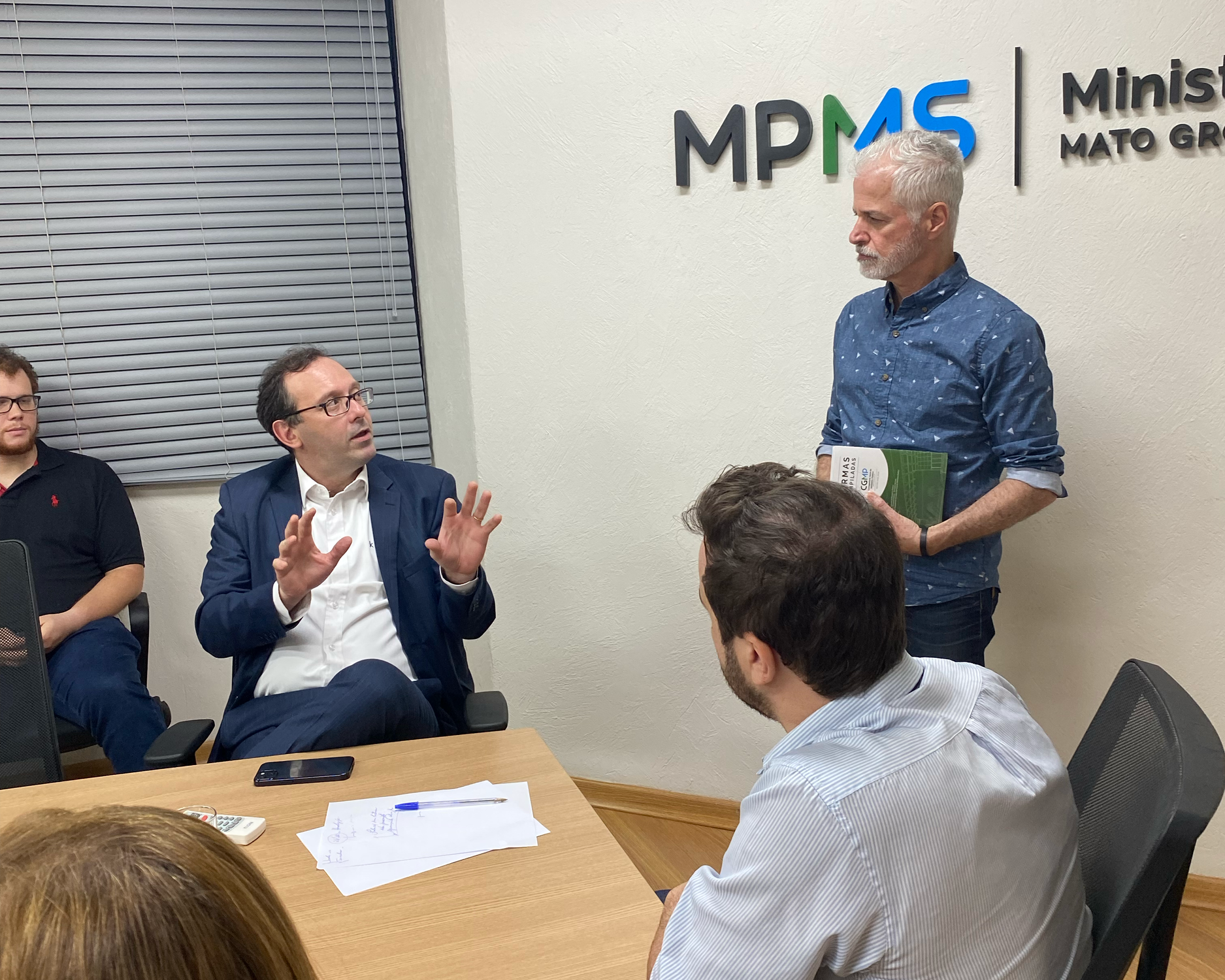
Dr. Paulo Zeni, Marcos Barros and the MPMS Innovation Team

Marcos Barros and Chris Sheppard after the main event