Case Study
Missão Sal da Terra
1. Introduction / Context
Missão Sal da Terra (MSDT) is a third-sector organisation based in Uberlândia, Minas Gerais, Brazil, specializing in public health, education, and social projects through management contracts with the local municipal government. With approximately 4,000 collaborators, MSDT administers 52 health units—including two internment centres (CIC and CIP), specialised units for children with disabilities or autism (CRTEA and CAMPUS), eight educational centres, four social projects, and services for the Uberlândia prison system. It serves a population of 273,237 in health, 1,414 in education, and 1,061 in social initiatives. Recognised with the QMentum International Diamond accreditation and associated with IBROSS, MSDT plays a vital role in delivering essential public services to the community.
Prior to the intervention, MSDT faced challenges in strategic alignment and execution, including inefficient planning cycles, suboptimal resource allocation, and difficulties in measuring progress toward ambitious goals in health and social outcomes. This prompted the organisation to adopt a more structured approach to goal-setting and performance tracking to enhance operational efficiency and impact.
2. Our Intervention
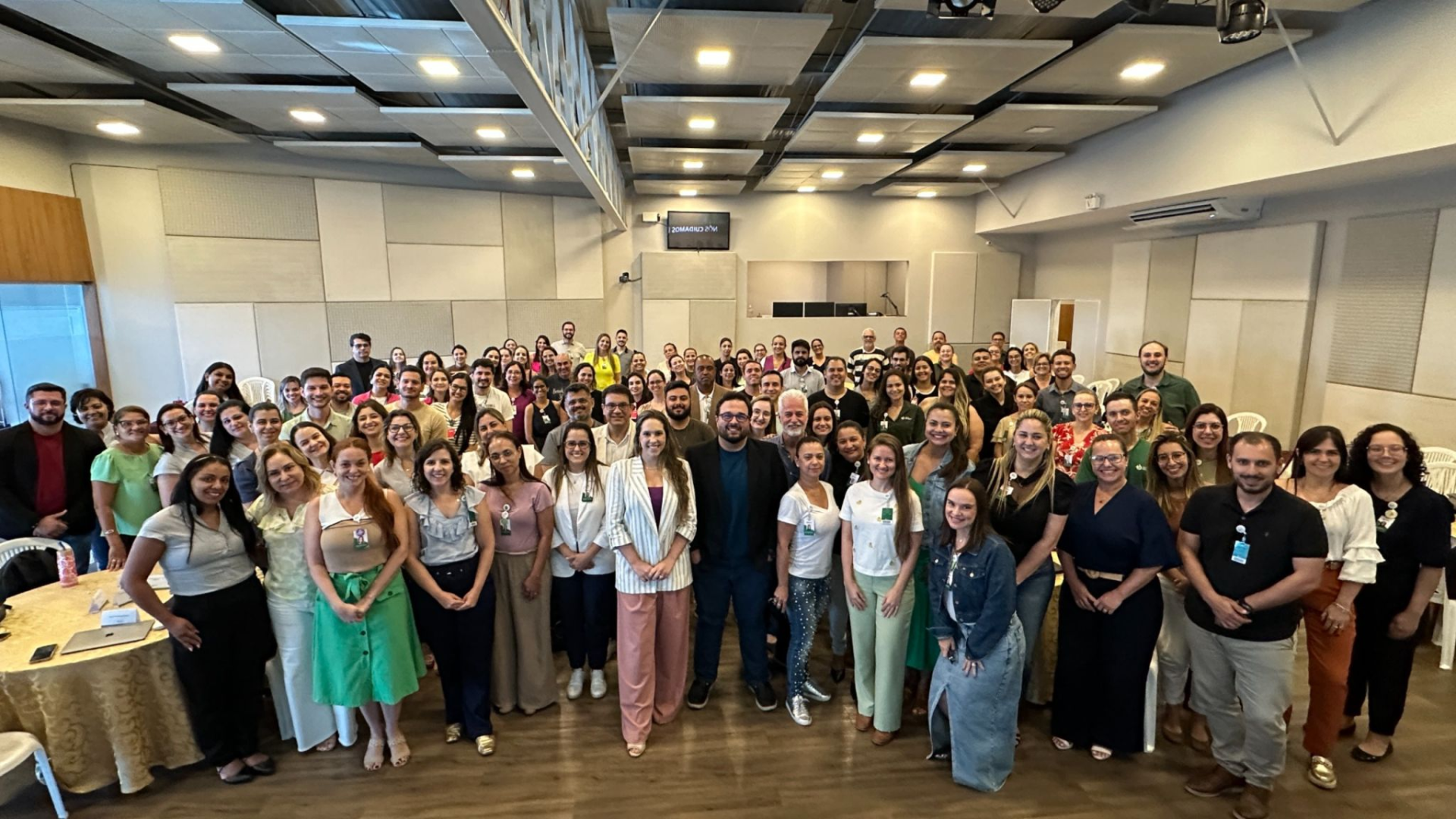
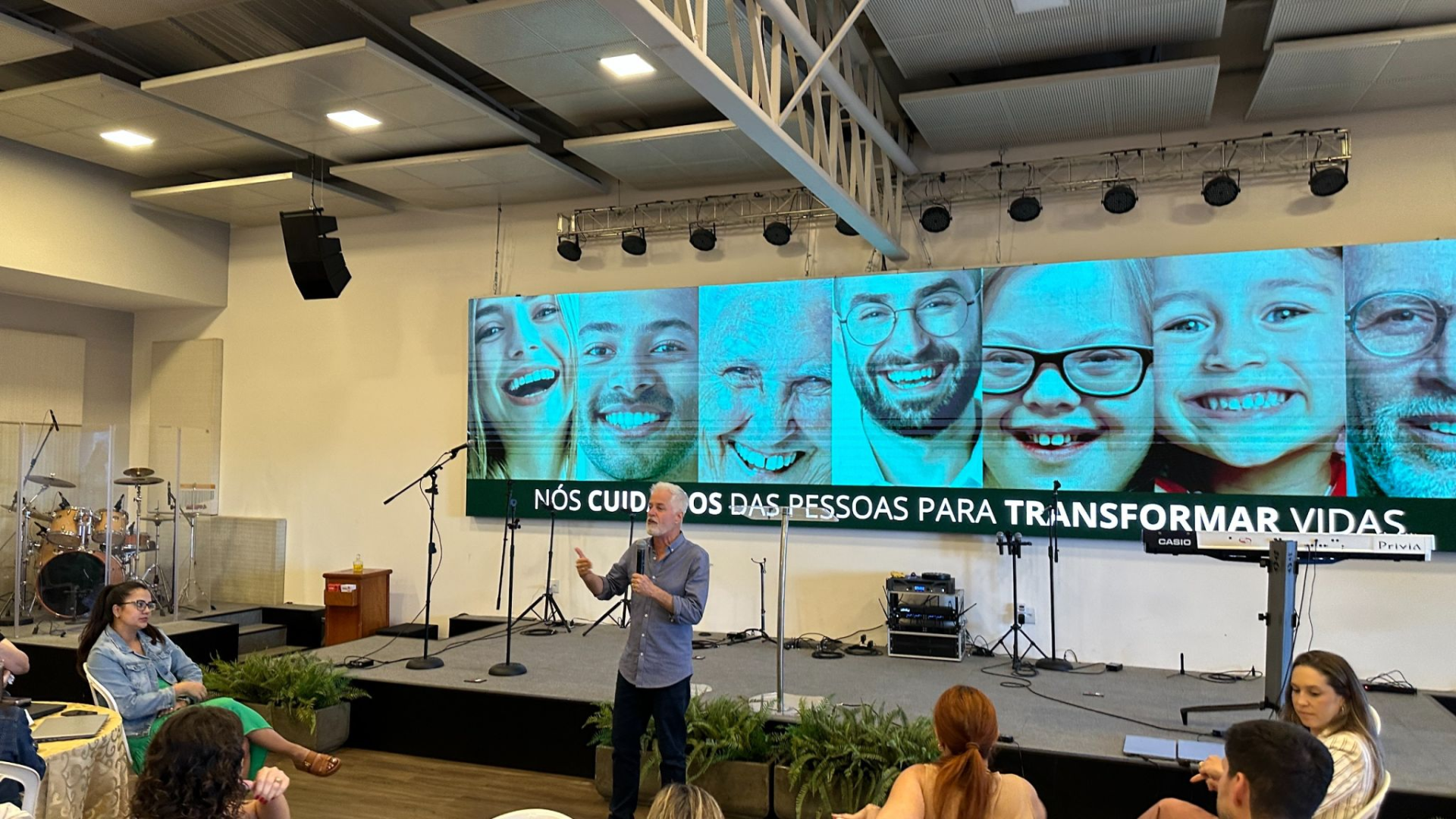
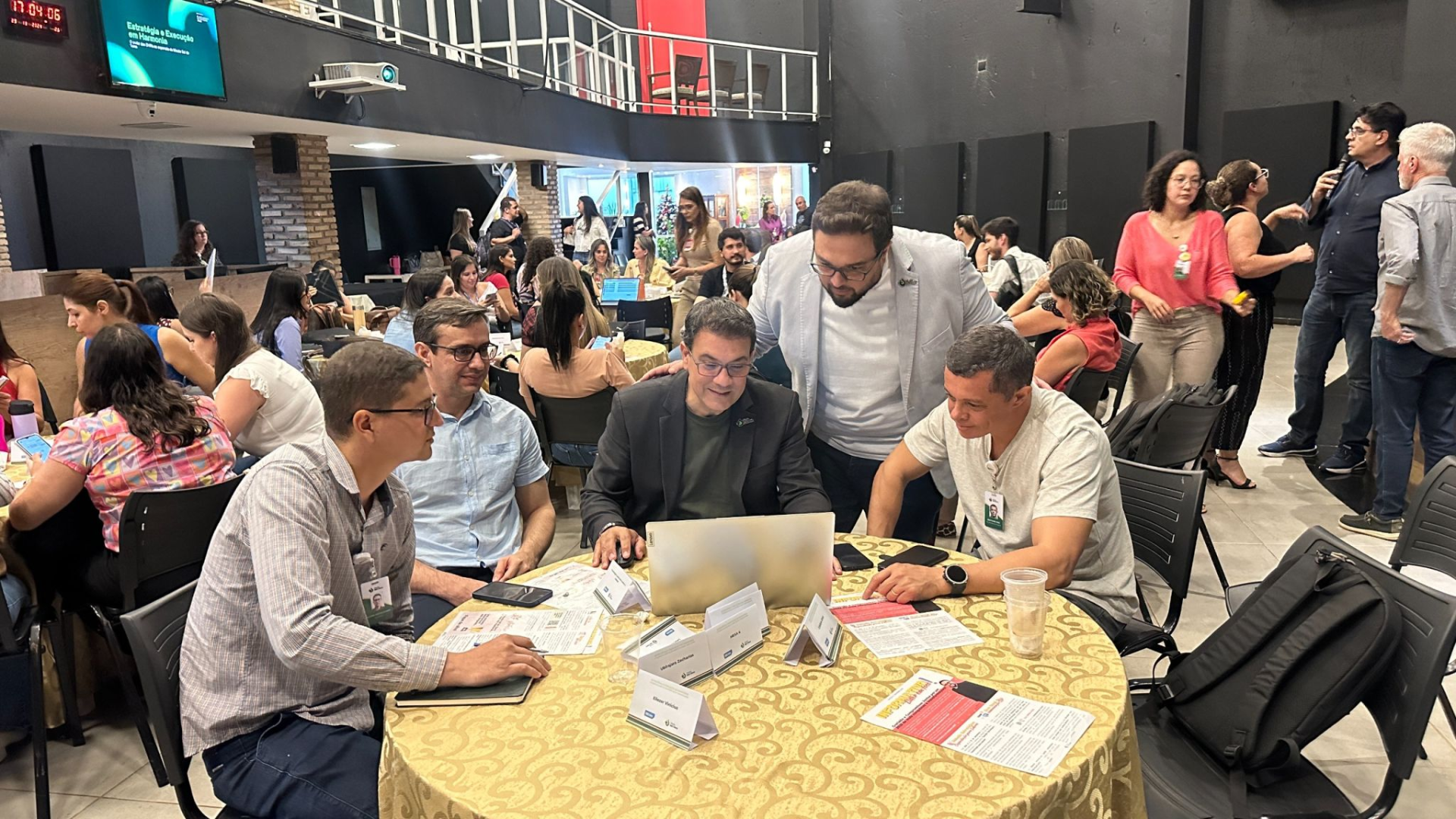
Oxford Business Masters provided Strategic Planning Mentoring and OKR Implementation services to MSDT. The process involved a series of interactive workshops, one-on-one mentoring sessions, and collaborative OKR co-creation exercises, where key objectives and measurable key results were defined across departments. Client teams were actively engaged throughout, from initial goal-setting to quarterly reviews, ensuring buy-in and ownership at all levels.
Our proprietary human-centred approach, supported by AI tools for data analysis and progress tracking, differentiated the experience by enabling real-time insights and adaptive planning, fostering a culture of agility and accountability tailored to the unique demands of public sector operations.
3. Results Achieved
Through the implementation of OKRs and strategic planning, MSDT achieved significant tangible outcomes in the first quarter and extending through the 2024-2026 strategic plan up to May 2025. Key before-and-after indicators include:
Increased the number of children served in educational and social programs from 1,442 to 2,000.
Boosted organisational certifications from 1 to 4, enhancing credibility and operational standards.
Secured invitations to speak at 36 events, up from an initial 0, with progress to 20 by mid-period (target 36).
Established partnerships with 7 renowned institutions, starting from 0 (target 12).
Improved the effectiveness of preventive measures for fall risk in patients from 70% to 100% (target 100%).
Reduced the teen pregnancy index from 6% to 2.3% (target 2%).
Decreased medication error incidence from 20% to 7.65% (target 5%).
Enhanced preventive measures for phlebitis risk from 70% to 85.72% (target 90%).
Shortened average emergency room stay from 6 days to 3.53 days (target <5 days).
Increased capture of hypertensive users from 42% to 54.04%.
Reduced BPA registration errors in consultations from 12% to 9% (target 5%).
Raised the opinion indicator score from 0% to 82.3% (target 90%).
Improved bundle monitoring from 87% to 93% (target 100%).
Increased capture of diabetic users from 90% to 97.5% (target 97%).
Boosted assertiveness in risk classification from 54% to 88% (target 100%).
hieved 100% bundle monitoring in another key area (target 100%).
Halved perforating accidents from 11 to 5 (target 5).
Reduced phlebitis incidence from 20% to 3.85% (target 10%).
Qualitatively, the initiative shifted the organisational mindset toward greater collaboration and proactive leadership, with teams reporting higher engagement in goal achievement. One participant noted, "The OKR framework has transformed how we align our daily efforts with strategic impact, making our work more purposeful."
4. Key Learnings / Impact
MSDT learned to integrate agile goal-setting into its core operations, evolving from rigid planning to a dynamic, results-oriented culture that prioritizes measurable progress and adaptability. This transformation enhanced strategic execution and fostered a sense of shared purpose among collaborators.
This experience demonstrates that public and third-sector institutions can achieve agility and purpose-driven execution without compromising accountability, offering valuable lessons for similar organizations in balancing regulatory demands with innovative performance management.