Case Study
Record-Breaking Strategic Planning at the Espírito Santo Court of Auditors (TCE-ES)
Executive Summary
In March 2026, the Tribunal de Contas do Estado do Espírito Santo (TCE-ES) and Oxford Business Masters (OBM) achieved a historic milestone in public sector management. By integrating the OKR (Objectives and Key Results) framework with advanced Artificial Intelligence, the institution built its tactical Strategic Plan for the 2026-2027 biennium in just three days—a record-breaking feat for a complex public entity.
The Challenge: Bridging the "Execution Gap"
TCE-ES is an institution dedicated to improving public management through external control. While the Court possessed a robust long-term Strategic Plan (2024-2037), it functioned primarily as a high-level "umbrella".
The governance team, led by Secretary of Governance Flavia Holz, identified a significant "execution gap". The previous planning cycle often relied on broad impact indicators—such as the state's Human Development Index (HDI)—which, while noble, were not directly within the Court’s control . This lack of direct alignment often led to:
Frustration among technical teams who felt disconnected from the goals.
A "shelf-document" strategy where planning had little impact on daily decision-making.
Disjointed priorities across different general secretariats.
The Solution: OKRs + AI (The STRATA Methodology)
OBM proposed the STRATA methodology, an agile approach designed to translate high-level vision into tactical execution. The core of the strategy was the "OKR Navigator" framework, which focuses on autonomy, alignment, and dynamic monitoring .
The Role of AI in Speeding Up the Process
To reach the three-day record, OBM utilized a specialized AI stack to handle data synthesis that would typically take months:
Claude Cowork: Used to create custom "agents" that processed transcriptions from interviews with top management and surveys from directors and supervisors.
NotebookLM: Trained on internal institution-specific sources (lewis, regulations, and previous reports) to eliminate "hallucinations" and ensure total contextual accuracy.
Automated Synthesis: AI agents crossed-referenced management priorities with technical team feedback to identify "Great Ambitions" for the biennium in minutes.
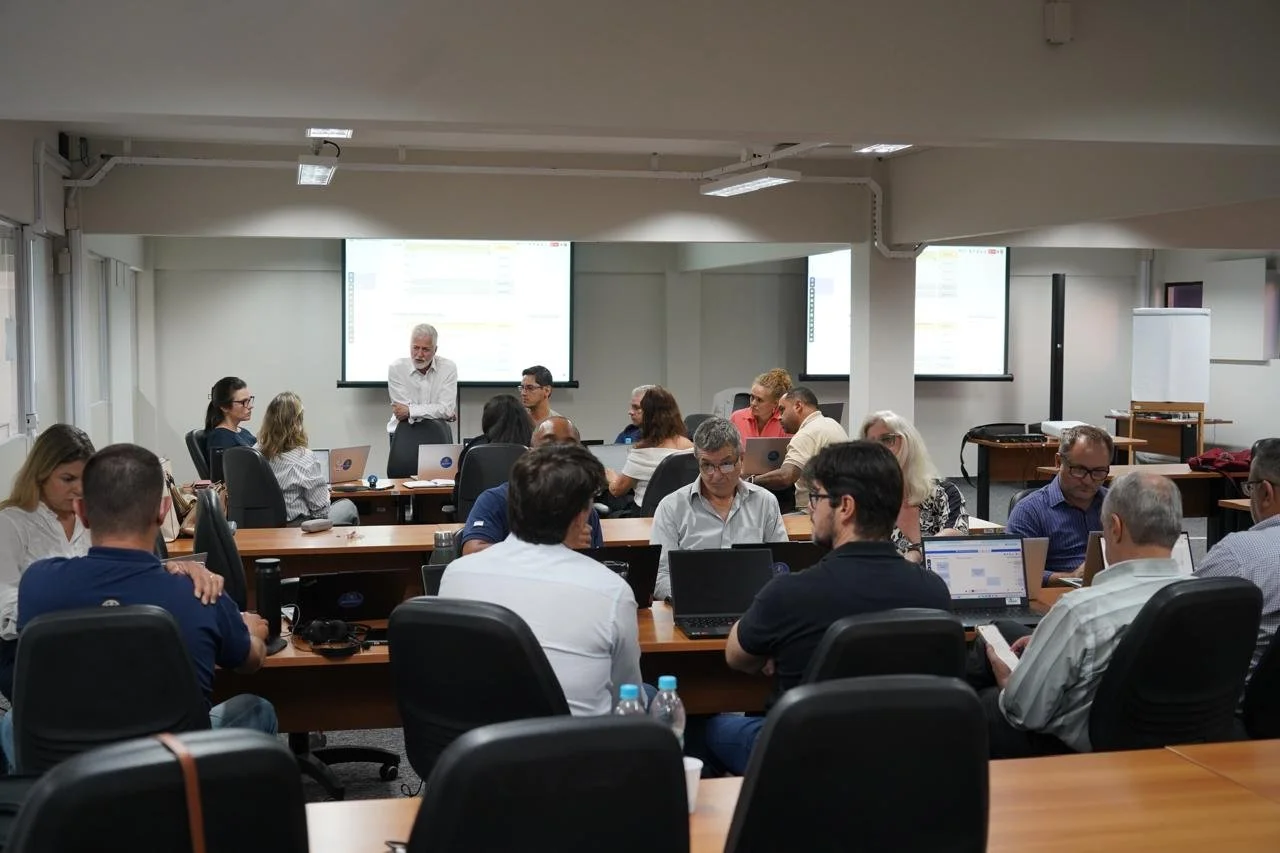
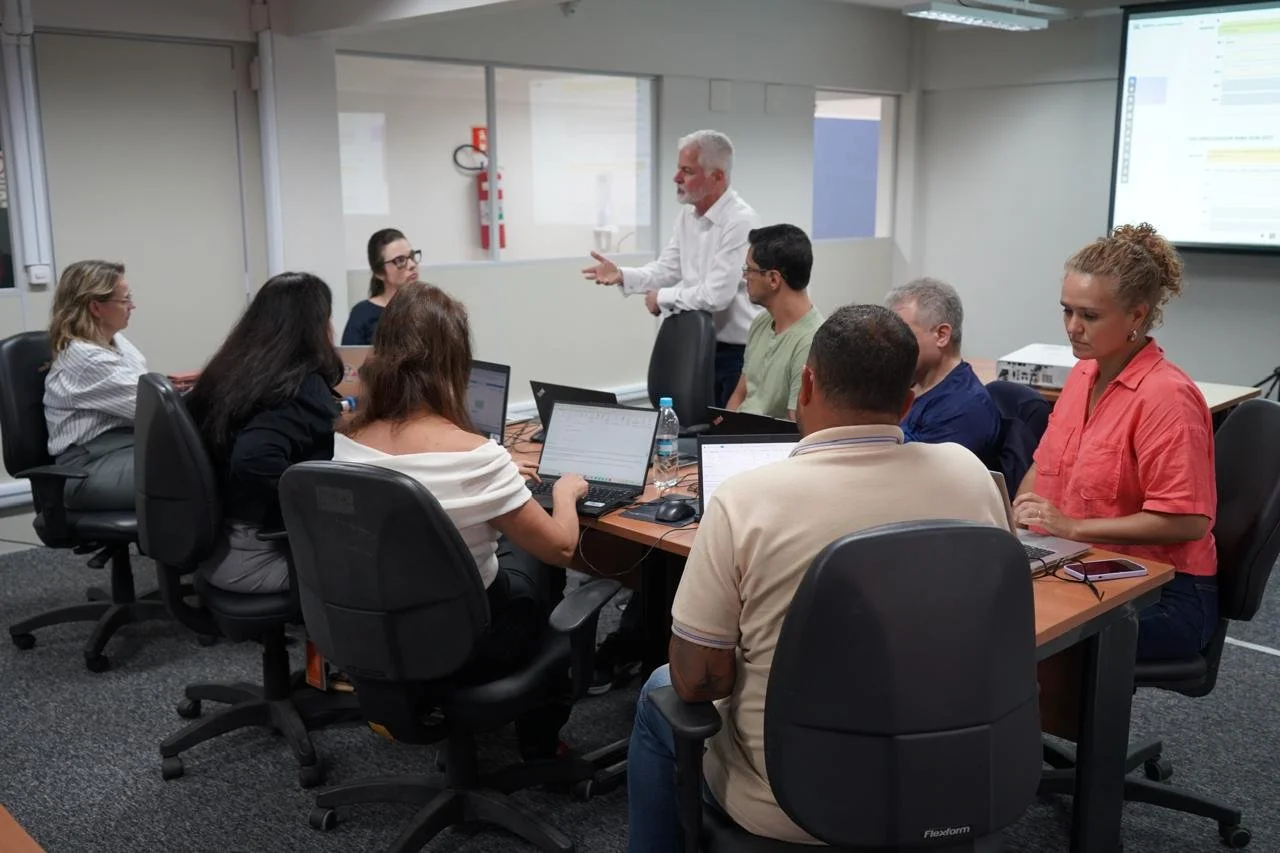
The 3-Day Record-Breaking Workshop
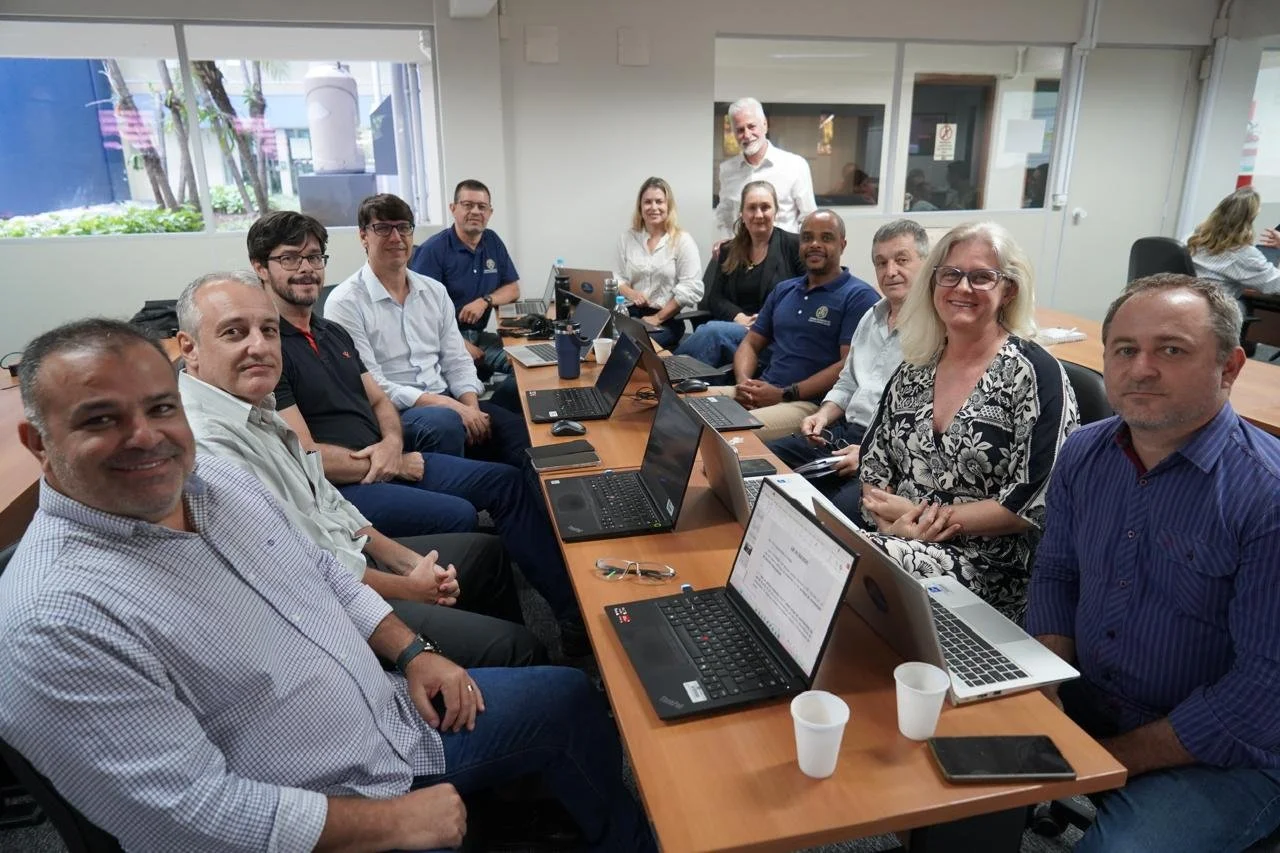
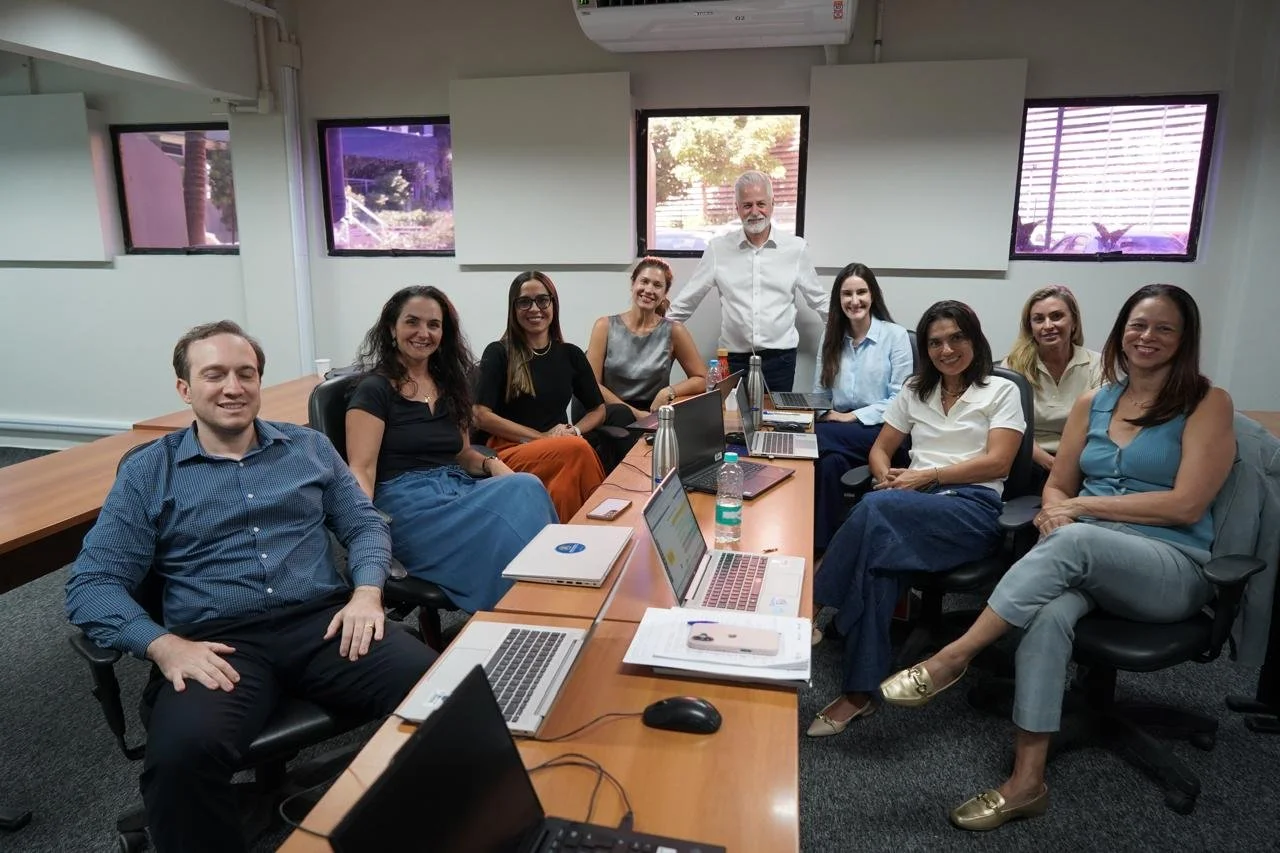
The transformation took place through a series of intensive, collaborative workshops:
Day 1: Defining Great Ambitions. The team identified critical priorities for 2026-2027, ensuring alignment with the 14-year long-term plan .
Day 2: Selecting Evidence and Strategies. Teams moved from qualitative goals to specific, measurable "evidence of success" .
Day 3: Building the OKR Guiding Star. Every secretariat (SEGAFI, SEGEX, SEGOV) drafted their own biennial OKRs .
"You only learn to build OKRs by building OKRs. We don't use AI to suggest the OKR; we use AI to check its quality and refine it, letting the teams do the heavy lifting of defining their own future." — Marcos Barros, Lead Consultant, OBM
Key Results & Impact
Time Efficiency: What usually takes 6 to 12 months in the public sector was completed in 72 hours .
Unprecedented Alignment: The framework successfully bridged the gap between seven distinct Council Members and the technical secretariats.
Focus on Controllability: Shifted the focus from "external impact" (like HDI) to "controllable results" (like audit effectiveness and digital transformation) .
Cultural Shift: Introduced a culture of Autonomy Aligned with Strategy, moving away from rigid "Command and Control" models.
Future Outlook
The TCE-ES now moves into the execution phase with monthly check-ins and a governance system designed for agility. By completing their planning in record time, they have not only optimized their internal resources but also set a new global benchmark for innovation in the public sector.
For more information on how to implement Agile Planning and OKRs in your institution, contact Oxford Business Masters.